

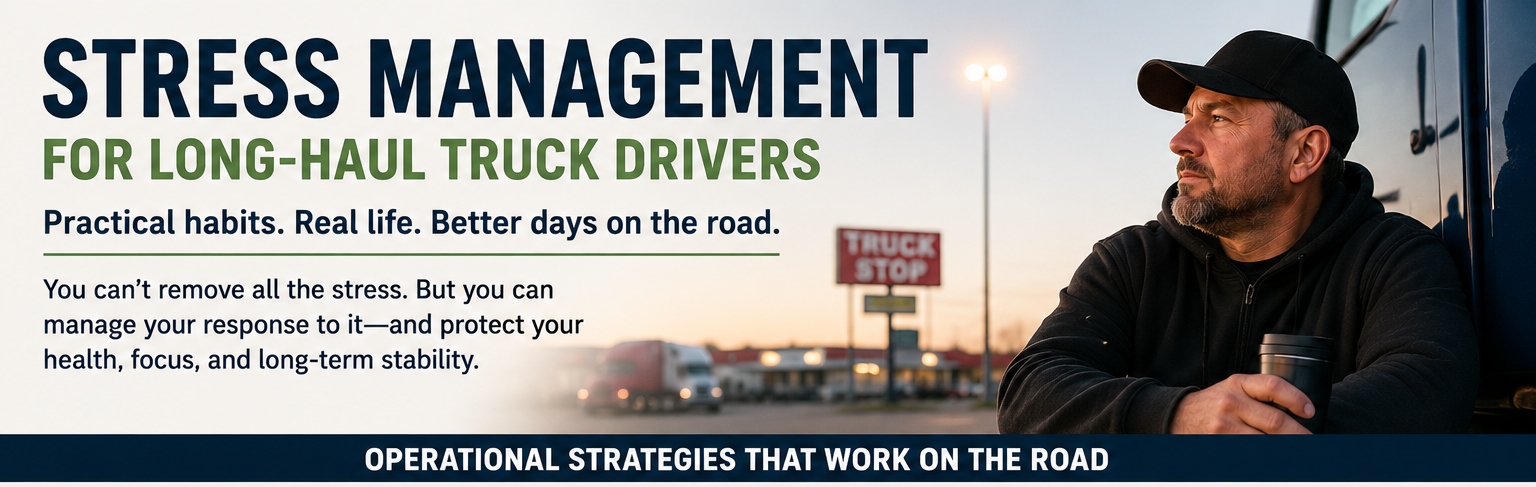
Stress Management for Long-Haul Truck Drivers
Stress in trucking does not always come from one major event. It often builds quietly through traffic, deadlines, schedule pressure, isolation, inconsistent sleep, and constant mental alertness. Many drivers continue functioning while carrying more operational strain than they realize. Realistic stress management for long-haul truck drivers focuses on small daily habits that support recovery, energy, focus, and long-term driver readiness during real driving conditions.
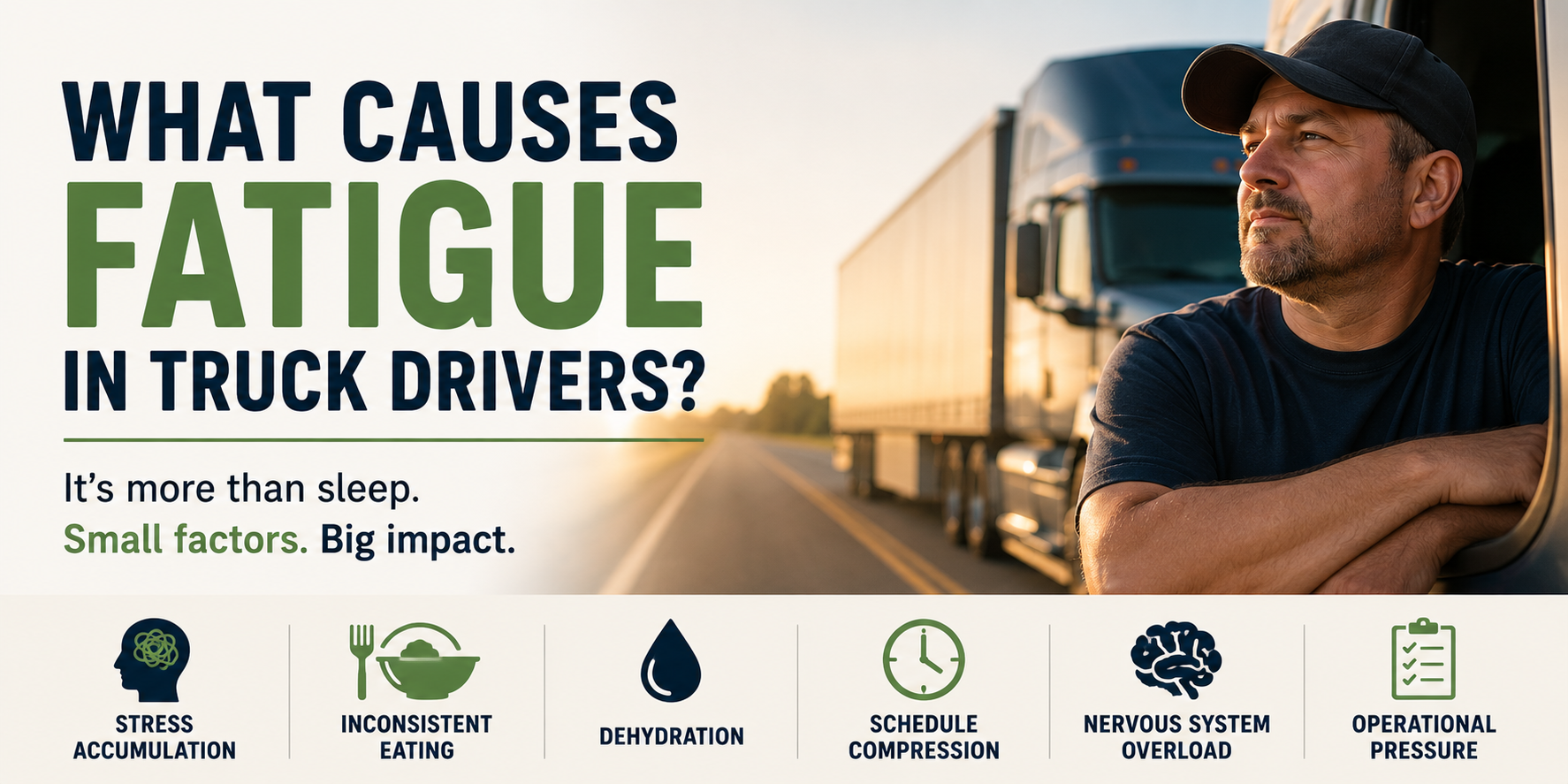
What Causes Fatigue in Truck Drivers?
Truck driver fatigue is not caused by only one thing. Long hours, stress accumulation, dehydration, inconsistent eating, schedule pressure, and constant mental alertness can quietly wear drivers down over time. Many drivers continue functioning while operating with less margin than they realize. Preventive driver readiness focuses on recognizing these patterns early and supporting energy, focus, and long-term stability through realistic daily habits.
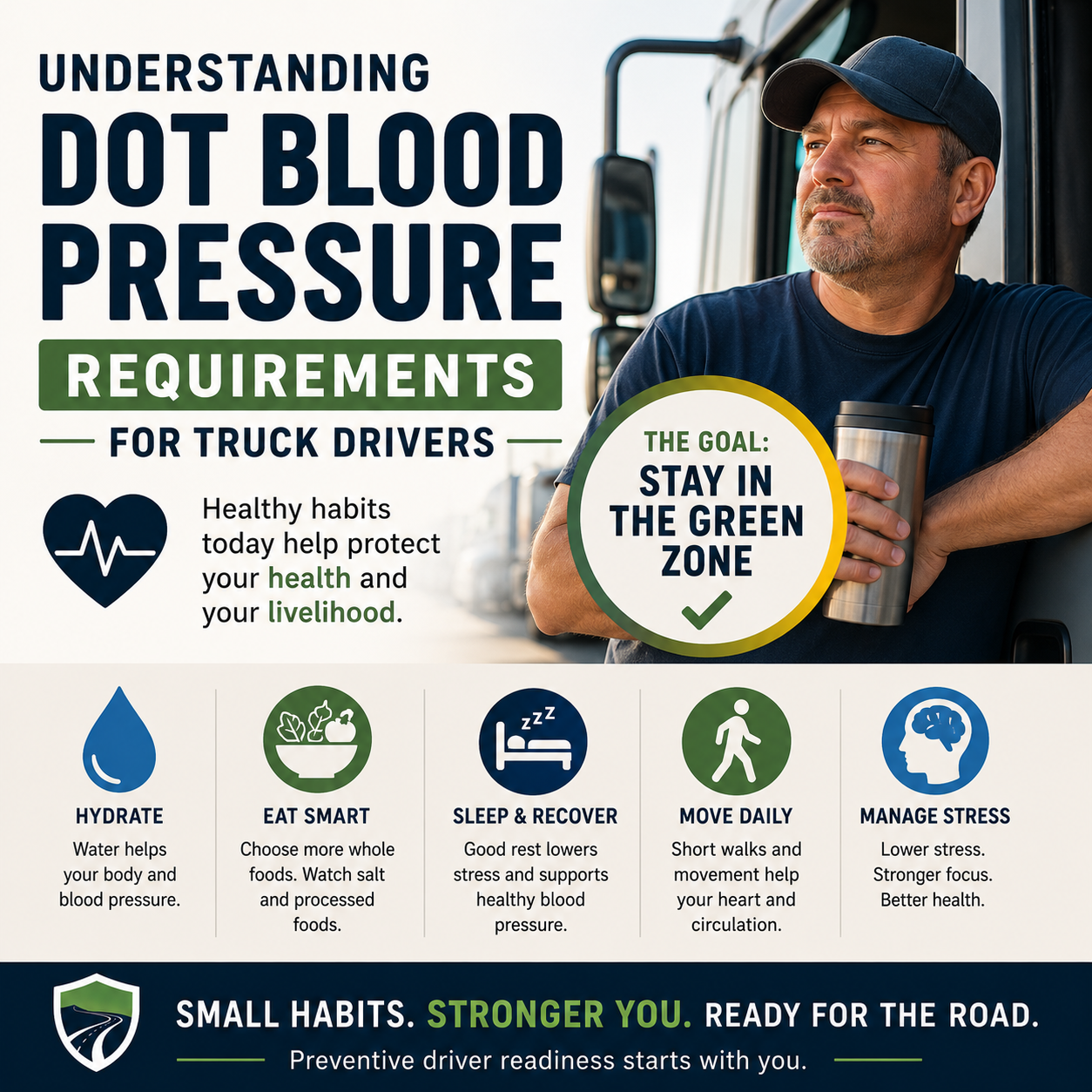
Understanding DOT Blood Pressure Requirements for Truck Drivers
Many truck drivers do not think about blood pressure until a DOT physical is approaching. But long before problems become visible, the body often shows smaller signs of strain through fatigue, stress, dehydration, poor recovery, and energy instability. Understanding DOT blood pressure requirements early can help drivers protect their health, maintain operational stability, and support long-term readiness on the road through realistic daily habits — not perfection.

How Truck Drivers Can Prevent Fatigue During Long Drives
Preventive driver readiness starts before exhaustion becomes visible. Small daily habits like hydration, recovery, movement, and managing caffeine can help truck drivers protect focus, energy, and operational stability during long driving days. HaulWell™ supports real-world driver readiness — not perfection.
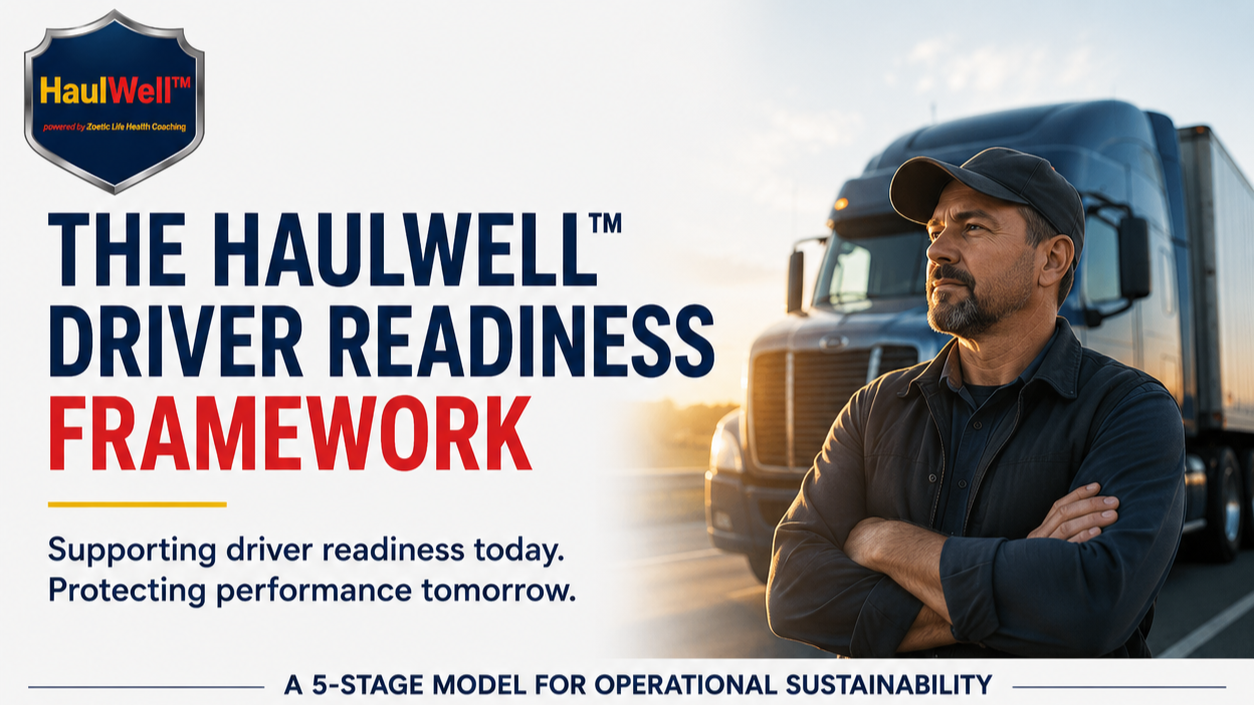
The HaulWell™ Driver Readiness Framework
A preventive operational model designed to support commercial driver readiness before strain begins affecting long-term performance, recovery, and sustainability.
The HaulWell™ Driver Readiness Framework introduces a practical approach to understanding how fatigue, stress, hydration inconsistency, operational pressure, and daily strain can quietly reduce performance margin over time — often long before visible breakdown occurs.
Built through the HaulWell™ lens, the framework focuses on early awareness, readiness stabilization, and sustainable operational support designed for real driving conditions.
Driver Readiness Is Not a Wellness Add-On. It Is the Missing Layer Between Training and Retention.
Still working.
Still delivering.
Just less margin.
What happens between training and retention
is what most people miss.

The Industry Studies the Ends. But Misses the Middle.
The trucking industry measures when drivers qualify—and when something goes wrong. But there’s a critical space in between where performance quietly erodes.
That’s where the Readiness Gap lives.
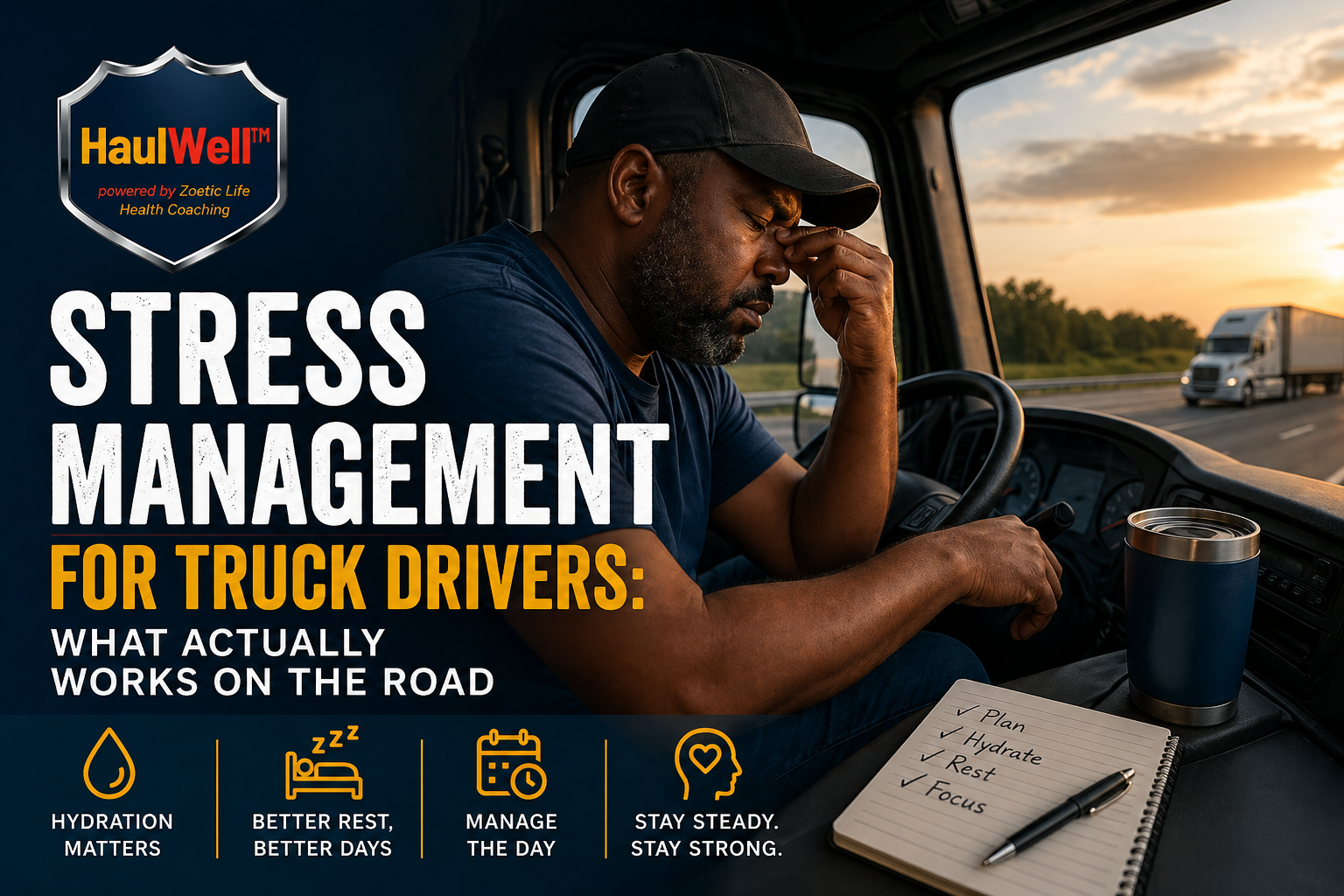
Stress Management for Truck Drivers: What Actually Works on the Road
Stress on the road isn’t just mental—it’s physical.
For truck drivers, long hours, inconsistent sleep, and daily pressure quietly build over time, affecting energy, focus, and performance. This article breaks down what’s really happening—and the simple, realistic strategies that actually help drivers stay steady on the road.
Truck Driver Fatigue: What Causes It and How to Prevent It on the Road
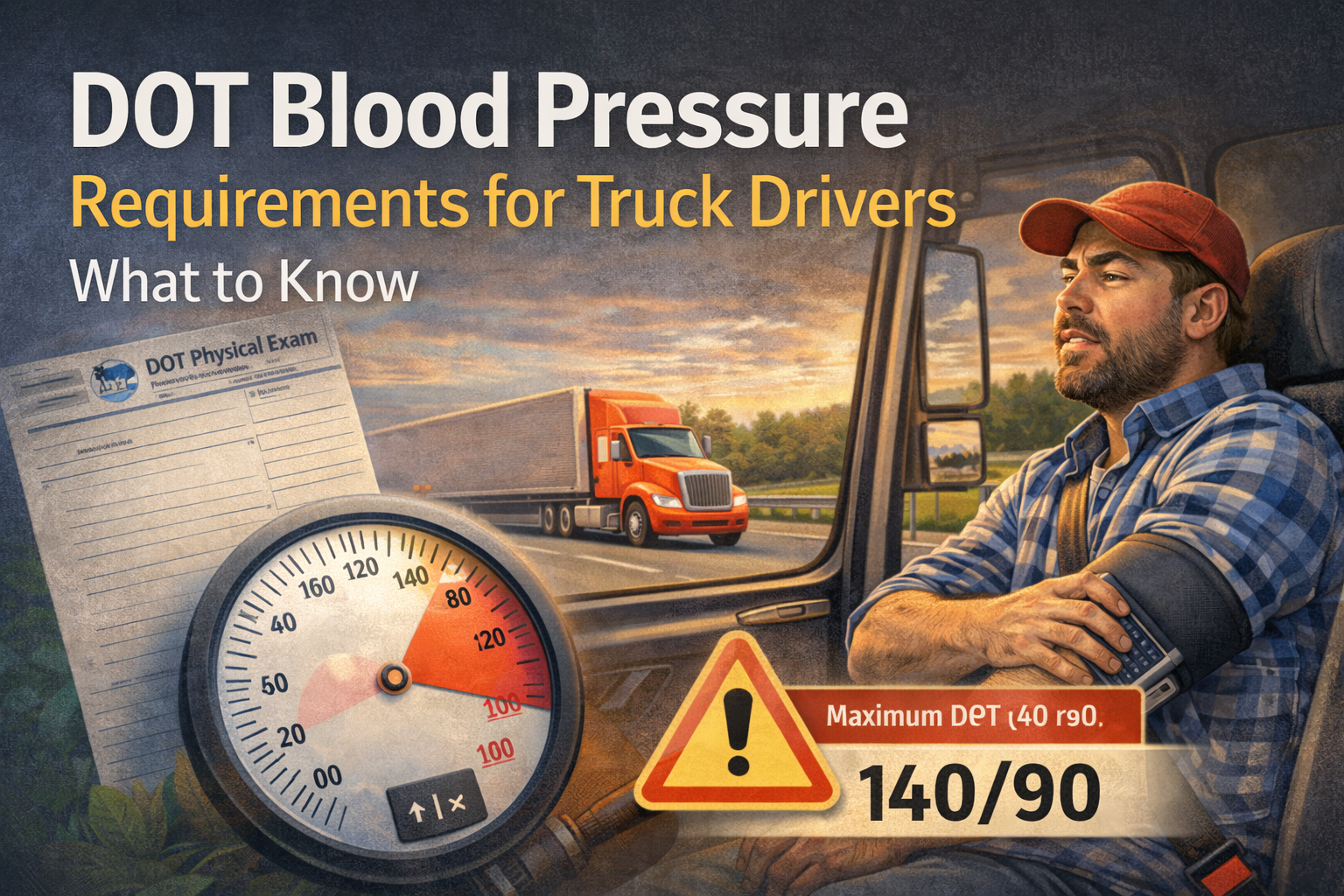
Blood pressure plays a critical role in passing the Department of Transportation (DOT) medical exam required for commercial drivers. This guide explains the DOT blood pressure standards, why high blood pressure is common in trucking, and practical steps drivers can take to manage their health, stay medically qualified, and maintain safe performance on the road.
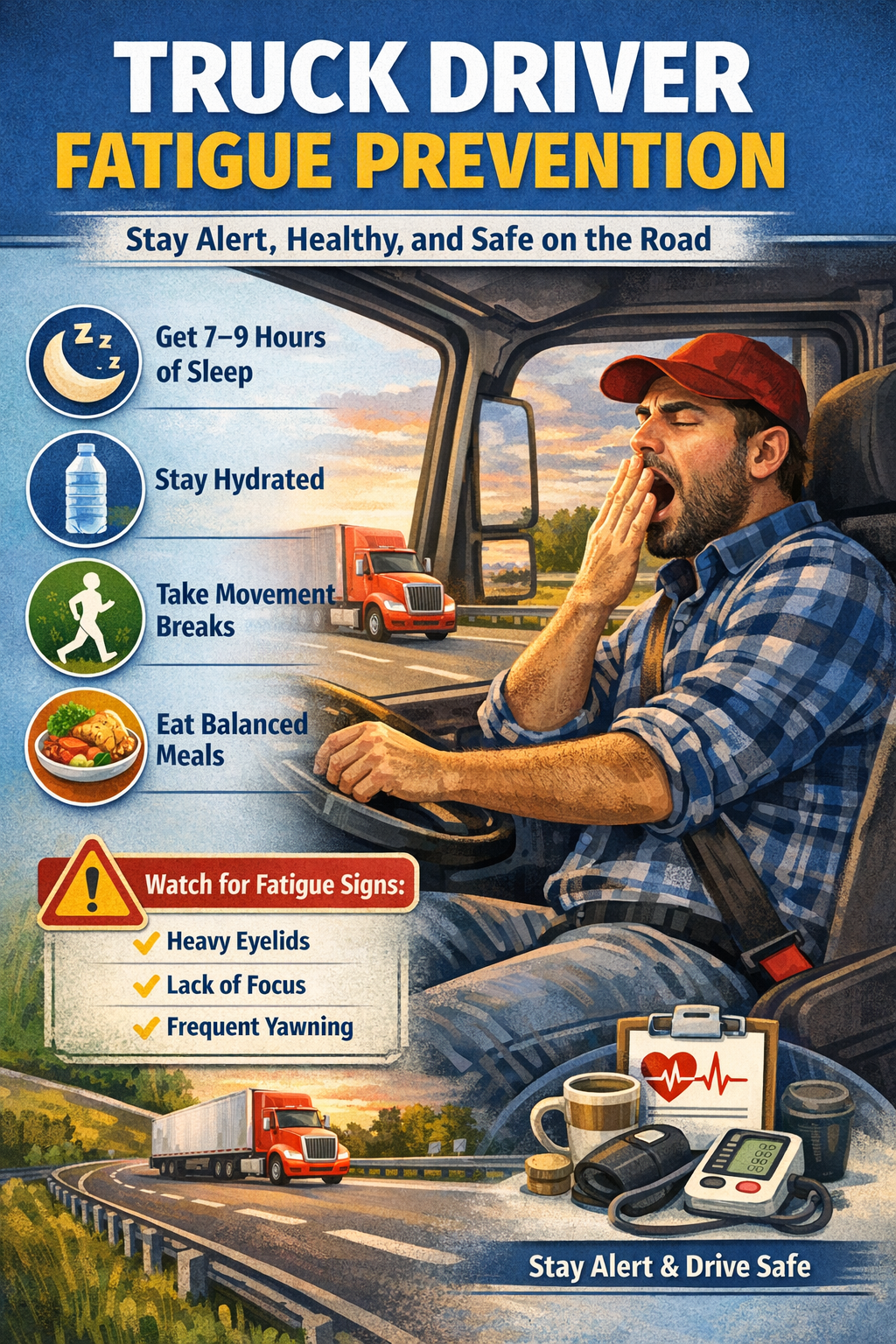
Truck Driver Fatigue Prevention: Practical Ways Drivers Can Stay Alert and Safe on the Road
Truck driver fatigue rarely appears all at once. It usually builds slowly through long driving hours, disrupted sleep schedules, dehydration, and daily stress on the road. This guide explains the early warning signs of fatigue and practical steps drivers can take—such as improving sleep, staying hydrated, managing caffeine, and taking movement breaks—to stay alert, protect their health, and maintain safe performance behind the wheel.

Driver Wellness Today: Protecting Your License, Your Health, and Your Future
Your DOT exam is one day. Your body works every day. As training standards tighten and medical scrutiny increases, protecting your CDL requires more than last-minute preparation. This article explores how hydration, sleep, stress regulation, and blood pressure awareness can help you build a long, stable, and prosperous driving career — one small step at a time.
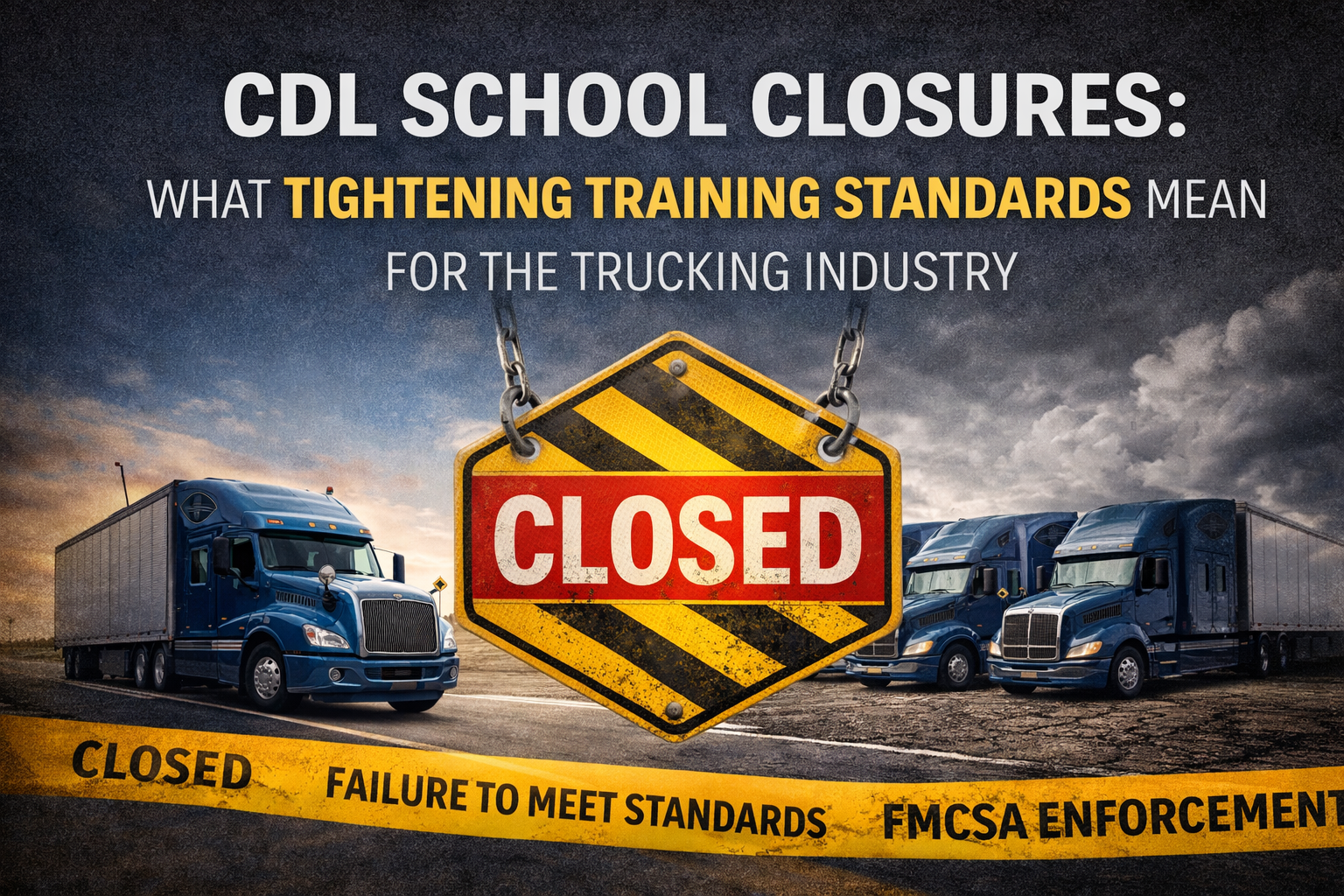
CDL School Closures: What Tightening Training Standards Mean for the Trucking Industry
More than 550 CDL schools are closing as federal enforcement tightens training standards across the trucking industry. While the headlines focus on compliance failures, the bigger story is about raising the bar at entry. Stronger CDL training standards protect safety, liability, and industry credibility — but they also signal a broader shift. As oversight increases, the next question becomes: how do we strengthen stability and readiness after drivers enter the system?
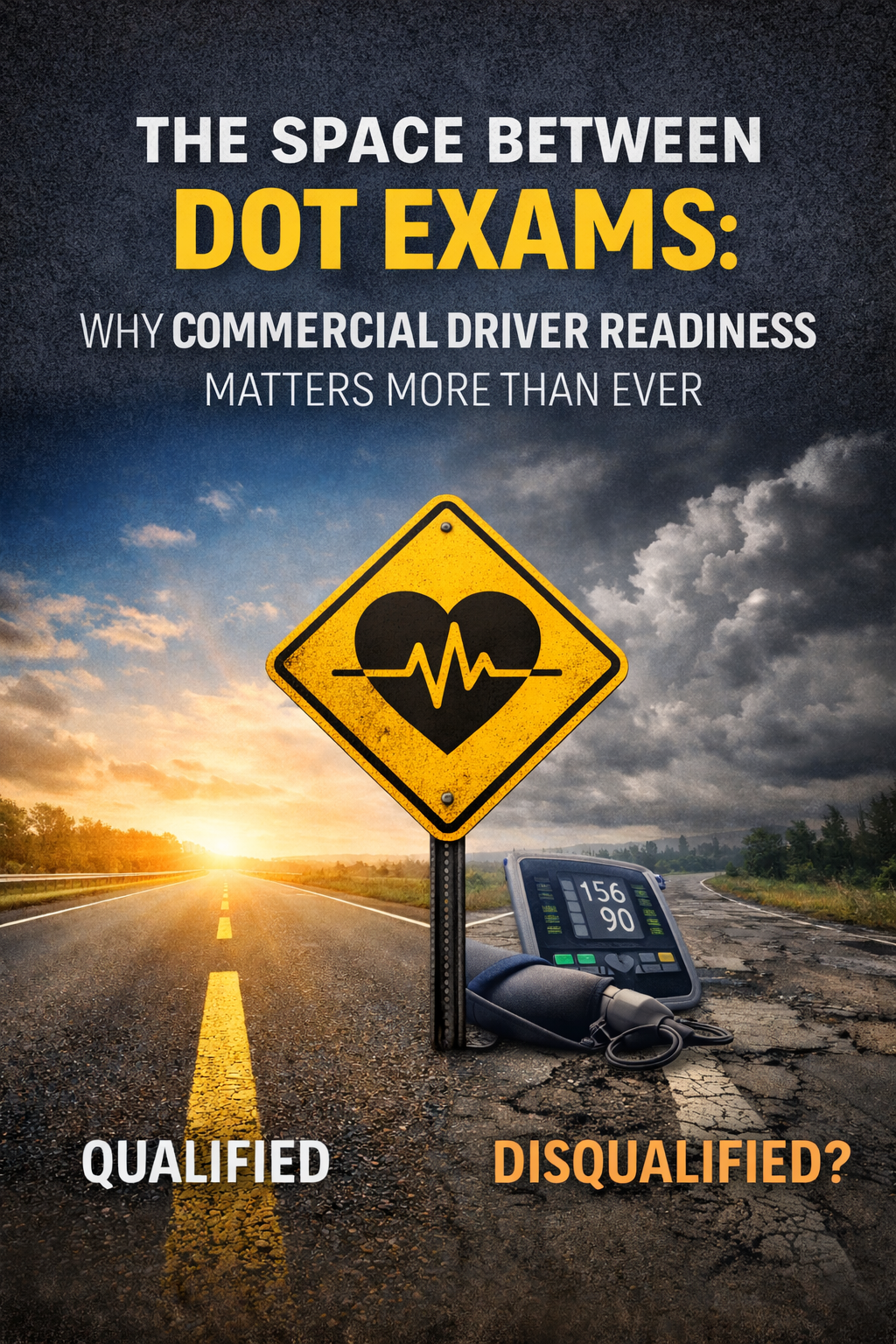
The Space Between DOT Exams: Why Commercial Driver Readiness Matters More Than Ever
As training standards tighten and oversight increases across the trucking industry, one critical question remains: what happens between DOT exams? Medical certification determines whether a driver is qualified at a specific moment in time, but daily physiological strain continues long after the paperwork is signed. This article explores the growing infrastructure gap between compliance checkpoints and commercial driver readiness, and why supporting stability between certification cycles may be the next evolution in roadway safety.
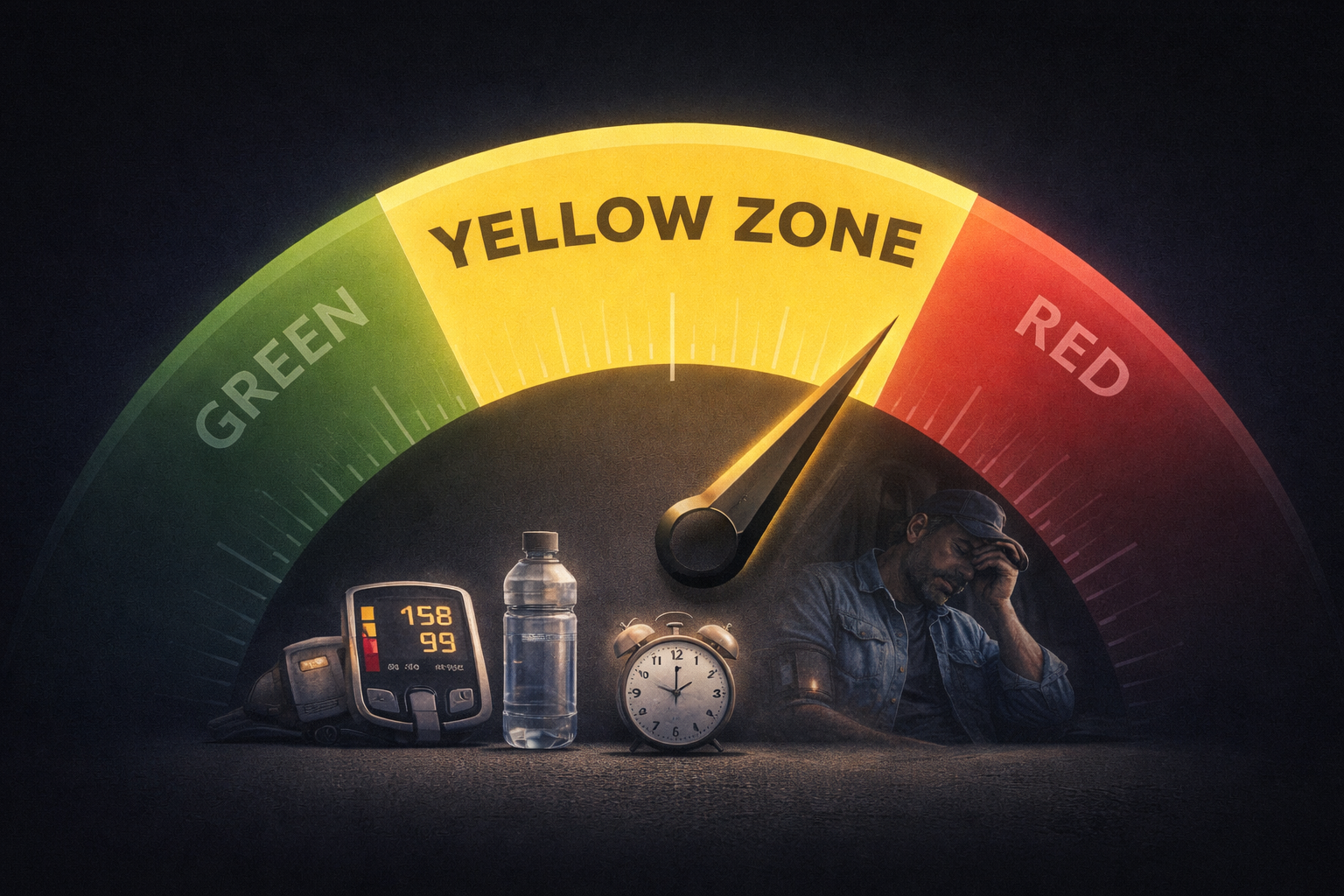
The Yellow Zone: The Risk Layer Most Fleets Don’t See — Until It’s Too Late
The Yellow Zone is where most driver risk actually starts—sleep debt, dehydration, stress, and rising blood pressure building quietly while you’re still working. Catch it early, and you protect focus, certification, and income before forced downtime shows up.

📊Is There a National “Fail Rate” for DOT Medical Exams?
Driver turnover often shows up as a medical issue before it shows up as a resignation. Blood pressure, hydration, and sleep aren’t side issues—they’re upstream drivers of retention.
Turning Pressure into Power: How Truckers Can Lead the Industry’s Next Chapter
This article encourages truckers to view current industry challenges—like rising costs, fewer loads, and increased competition—as a turning point rather than a setback. It highlights how tariffs and shifting supply chains could open doors for better pay, more control, and stronger advocacy. The message is clear: instead of stressing, use this moment to lead the change truckers have long fought for.
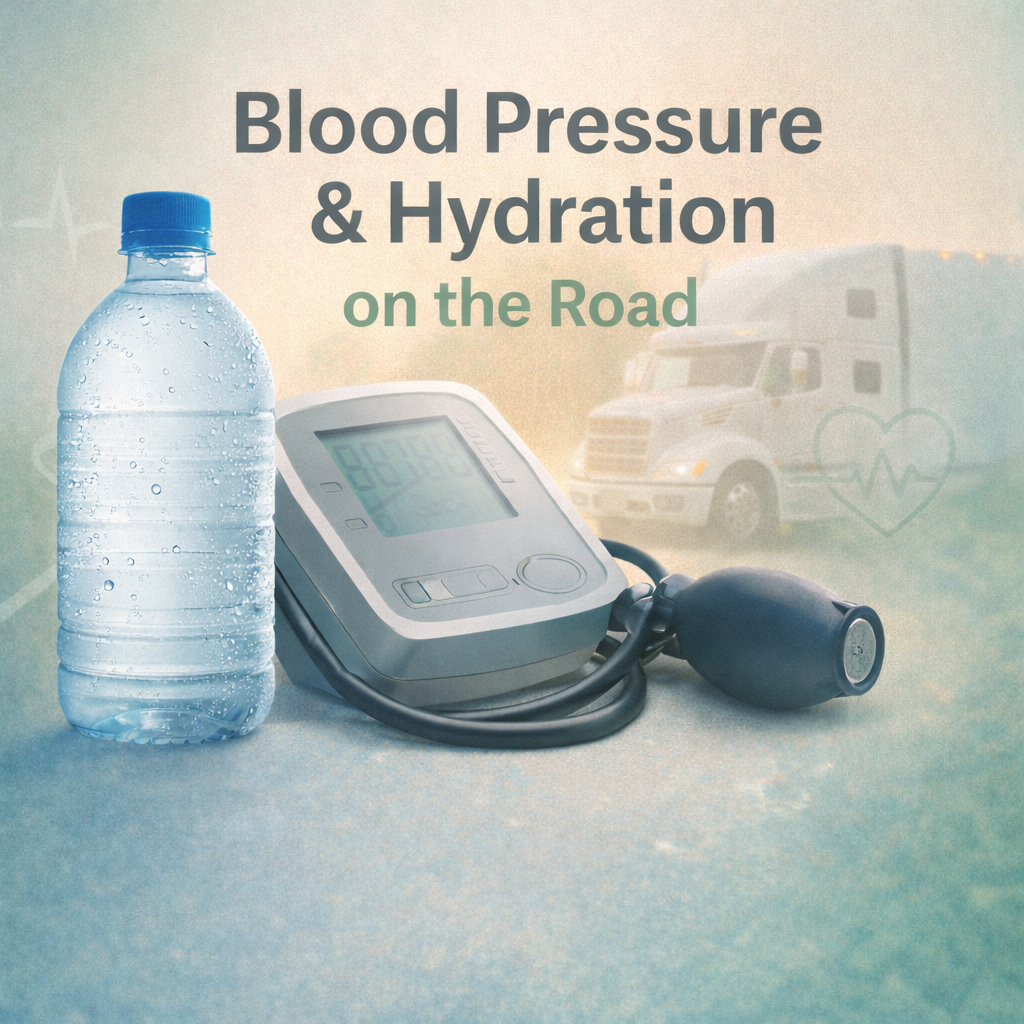
💧 Blood Pressure & Hydration on the Road
Hydration and blood pressure are deeply connected —
and most drivers were never taught how.
Small hydration habits can make BP easier to manage on the road.
☕ Coffee on the Road: The Truth Behind the Cup
Coffee keeps drivers moving —
but how you drink it determines whether it helps or hurts.
Learn how to use coffee for safer energy, better sleep, and stronger health on the road.
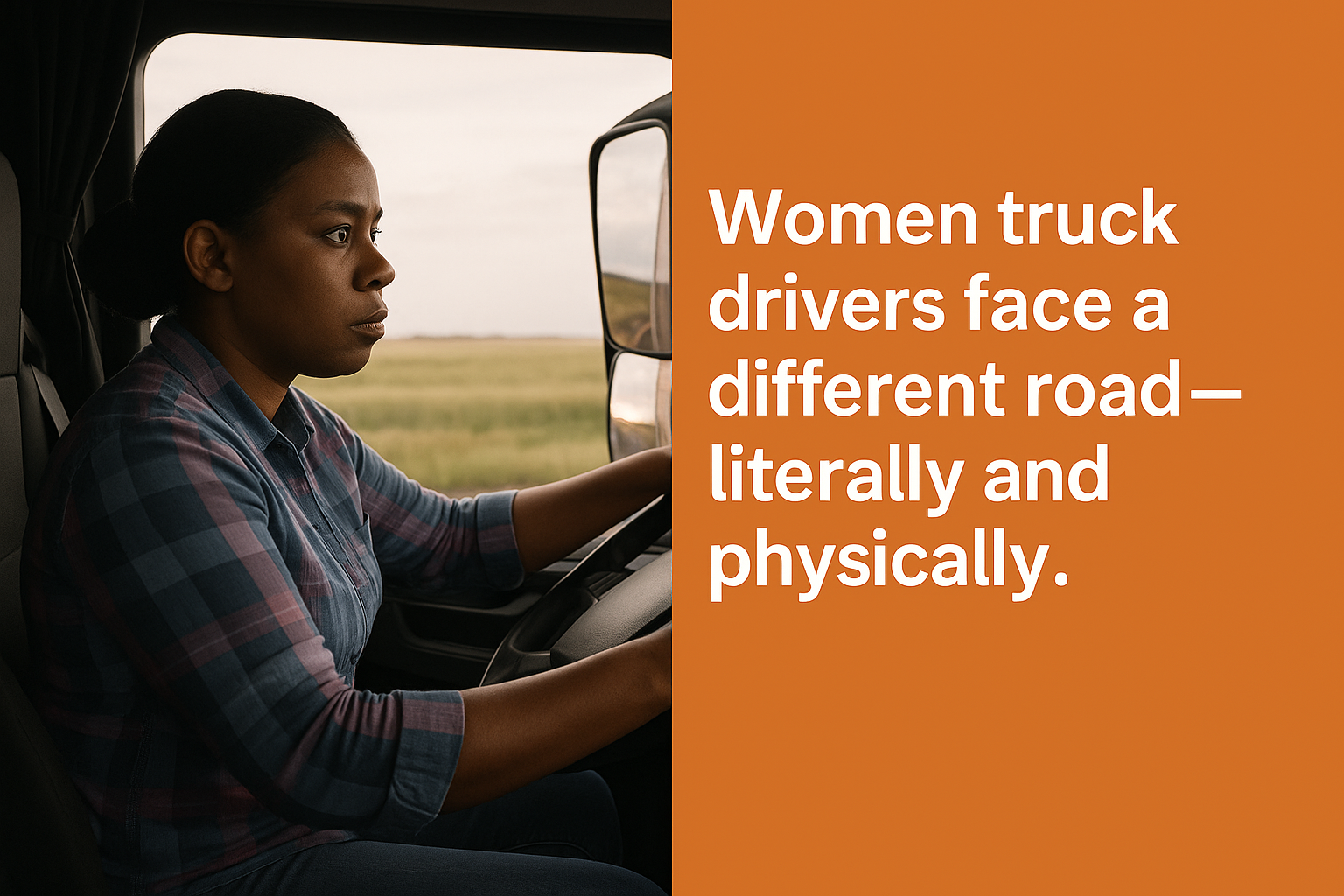
Women Truck Drivers: Facing the Road and Their Health with Strength and Grit
Women truck drivers carry more than freight.
They navigate long hours, safety concerns, isolation, and health challenges—often with little margin for rest or recovery.
This article explores how women drivers face the road with strength and grit, and why their health deserves support designed for the realities they manage every day.

The Yellow Zone: What Truck Drivers Need to Know Before Things Go Sideways
Most health and DOT problems don’t start with a crisis.
They start quietly — while drivers are still working, still passing, and still pushing through.
The Yellow Zone is that middle space.
Understanding it early can protect readiness, income, and control before problems force decisions.